Markets Steady as CPI Shock Offset by Ceasefire Hopes — Apr 10, 2026
Market Analysis
Key Takeaways
- The S&P 500 rose 0.6%, the Nasdaq gained 0.83%, and the Dow added 276 points on Friday, capping Wall Street's best week since November.
- March CPI surged 0.9% month-over-month, pushing annual inflation to 3.3% — a two-year high driven by a record 21.2% spike in gas prices.
- Core CPI (excluding food and energy) rose just 0.2%, below expectations, suggesting underlying inflation remains contained.
- The US-Iran ceasefire is holding but fragile, with peace talks continuing in Islamabad and Iran still limiting Strait of Hormuz traffic.
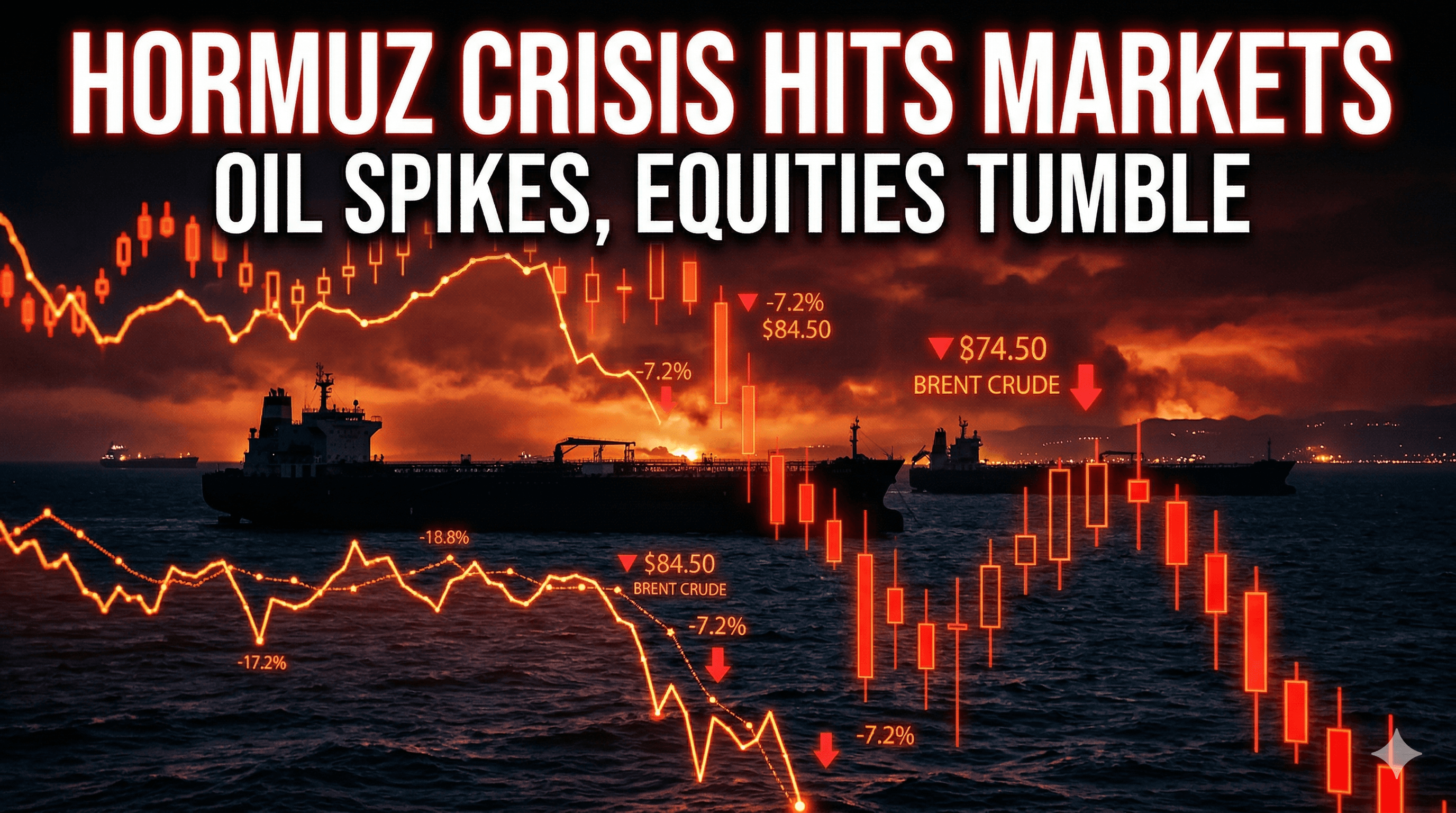
- Oil remains volatile near $98/barrel as markets weigh ceasefire durability against ongoing shipping lane disruptions.
- Airlines surged (UAL +7%, AAL +6.2%) on lower fuel cost hopes, while defense stocks pulled back on reduced war premium.
- Key events next week: Islamabad peace talks, US retail sales (April 15), and big bank earnings starting April 14.
## Today's Market Wrap — Friday, April 10, 2026
Wall Street closed out a turbulent week on a cautiously positive note Friday as traders weighed a hot inflation print against hopes that the fragile US-Iran ceasefire would hold. The S&P 500 edged up 0.6%, the Nasdaq gained 0.83%, and the Dow added 276 points — capping its best week since November.
---
## How the Major Markets Closed
| Asset | Close / Level | Daily Change | Key Driver |
|-------|--------------|-------------|------------|
| S&P 500 | ~5,870 | +0.6% | Ceasefire optimism vs. CPI shock |
| Nasdaq Composite | ~18,520 | +0.83% | Semis and AI infrastructure led |
| Dow Jones | 48,186 | +276 pts (+0.58%) | Airlines surged on oil drop |
| Gold (XAU/USD) | $4,749/oz | -0.30% | Risk-on sentiment weighed |
| Brent Crude | ~$97.78/bbl | Volatile | Ceasefire vs. Hormuz fears |
| EUR/USD | ~1.1700 | Flat | Dollar softened on CPI split |
| USD/ZAR | 16.4297 | +0.45% | EM caution on geopolitics |
---
## The Biggest Story of the Day
### CPI Shocker Meets Ceasefire Relief
Friday's headline CPI report stole the spotlight. The Bureau of Labor Statistics reported that consumer prices surged 0.9% in March — triple February's 0.3% pace — pushing the annual inflation rate to 3.3%, a two-year high. The culprit? A record 21.2% monthly spike in gasoline prices driven by the US-Iran conflict and disruptions near the Strait of Hormuz.
However, the market reaction was surprisingly muted. Why? Because core CPI — which strips out volatile food and energy costs — rose just 0.2% month-over-month, below the 0.3% consensus estimate. On an annual basis, core inflation ticked up to only 2.6% from 2.5%. That told traders the underlying economy isn't overheating — it's the war premium on energy doing the damage.
This split gave the Federal Reserve some breathing room. Markets are now pricing in that the Fed will likely hold rates steady at its next meeting, waiting to see whether the ceasefire brings energy prices back down before making any policy moves.
Meanwhile, the US-Iran ceasefire announced earlier this week continued to dominate sentiment. The two-week "humanitarian and diplomatic pause," mediated by Pakistan, sent oil prices tumbling earlier in the week. But by Friday, crude had partially rebounded as reports emerged that Iran was still limiting traffic through the Strait of Hormuz despite the agreement. Pakistani PM Sharif invited both delegations to Islamabad on Friday for further talks, and the outcome of those negotiations will be critical for markets next week.
---
## Sector Spotlight
Airlines were among the biggest winners this week as oil's plunge boosted hopes for lower fuel costs. United Airlines rose 7% and American Airlines gained 6.2% over the week. Semiconductor and AI infrastructure stocks also led to the upside on Friday.
On the flip side, defense stocks like Lockheed Martin (-1.3%) and Northrop Grumman (-1.1%) pulled back as ceasefire hopes reduced the war premium. Software stocks also remained under pressure, with the sector trading down roughly 5%.
---
## Forex & Commodities Round-Up
The US dollar softened on Friday as the mixed CPI data muddied the rate outlook. The euro held just above $1.17, its highest since late February, benefiting from dollar weakness and relatively stable eurozone conditions.
The South African rand weakened slightly against the dollar, with USD/ZAR rising to 16.43. Emerging market currencies broadly traded with caution given the geopolitical uncertainty around the Iran ceasefire talks.
Gold dipped 0.3% to $4,749 per ounce as the risk-on mood reduced safe-haven demand. However, gold remains well supported above $4,700 given the uncertain geopolitical backdrop. Silver continued to trade above the $70 level but remains sensitive to interest rate expectations.
Oil was the most volatile asset of the week. WTI crude surged nearly 70% during the conflict period but fell sharply on the ceasefire announcement. By Friday, Brent was hovering near $98 as the market assessed whether Iran would fully reopen Hormuz shipping lanes.
---
## What to Watch Next Week
- **Islamabad Peace Talks (ongoing):** US and Iranian delegations continue negotiations in Pakistan. Any breakdown could send oil prices surging again and rattle equity markets.
- **US Retail Sales (Wednesday, April 15):** After the CPI shock, traders will closely watch consumer spending data for signs of whether high gas prices are starting to hurt household budgets.
- **Big Bank Earnings (starting April 14):** JPMorgan Chase, Wells Fargo, and Citigroup kick off Q1 2026 earnings season. Expect focus on energy sector loan exposure and consumer credit health.
---
## Quick Glossary
- **Core CPI:** A measure of inflation that excludes food and energy prices, which tend to be volatile. It gives a clearer picture of underlying price trends in the economy.
- **Strait of Hormuz:** A narrow waterway between Iran and Oman through which roughly 20% of the world's oil supply passes daily. Any disruption here can cause major oil price swings.
- **Risk-on sentiment:** When investors feel confident and move money into riskier assets like stocks, rather than safe havens like gold or government bonds.
Wall Street closed out a turbulent week on a cautiously positive note Friday as traders weighed a hot inflation print against hopes that the fragile US-Iran ceasefire would hold. The S&P 500 edged up 0.6%, the Nasdaq gained 0.83%, and the Dow added 276 points — capping its best week since November.
---
## How the Major Markets Closed
| Asset | Close / Level | Daily Change | Key Driver |
|-------|--------------|-------------|------------|
| S&P 500 | ~5,870 | +0.6% | Ceasefire optimism vs. CPI shock |
| Nasdaq Composite | ~18,520 | +0.83% | Semis and AI infrastructure led |
| Dow Jones | 48,186 | +276 pts (+0.58%) | Airlines surged on oil drop |
| Gold (XAU/USD) | $4,749/oz | -0.30% | Risk-on sentiment weighed |
| Brent Crude | ~$97.78/bbl | Volatile | Ceasefire vs. Hormuz fears |
| EUR/USD | ~1.1700 | Flat | Dollar softened on CPI split |
| USD/ZAR | 16.4297 | +0.45% | EM caution on geopolitics |
---
## The Biggest Story of the Day
### CPI Shocker Meets Ceasefire Relief
Friday's headline CPI report stole the spotlight. The Bureau of Labor Statistics reported that consumer prices surged 0.9% in March — triple February's 0.3% pace — pushing the annual inflation rate to 3.3%, a two-year high. The culprit? A record 21.2% monthly spike in gasoline prices driven by the US-Iran conflict and disruptions near the Strait of Hormuz.
However, the market reaction was surprisingly muted. Why? Because core CPI — which strips out volatile food and energy costs — rose just 0.2% month-over-month, below the 0.3% consensus estimate. On an annual basis, core inflation ticked up to only 2.6% from 2.5%. That told traders the underlying economy isn't overheating — it's the war premium on energy doing the damage.
This split gave the Federal Reserve some breathing room. Markets are now pricing in that the Fed will likely hold rates steady at its next meeting, waiting to see whether the ceasefire brings energy prices back down before making any policy moves.
Meanwhile, the US-Iran ceasefire announced earlier this week continued to dominate sentiment. The two-week "humanitarian and diplomatic pause," mediated by Pakistan, sent oil prices tumbling earlier in the week. But by Friday, crude had partially rebounded as reports emerged that Iran was still limiting traffic through the Strait of Hormuz despite the agreement. Pakistani PM Sharif invited both delegations to Islamabad on Friday for further talks, and the outcome of those negotiations will be critical for markets next week.
---
## Sector Spotlight
Airlines were among the biggest winners this week as oil's plunge boosted hopes for lower fuel costs. United Airlines rose 7% and American Airlines gained 6.2% over the week. Semiconductor and AI infrastructure stocks also led to the upside on Friday.
On the flip side, defense stocks like Lockheed Martin (-1.3%) and Northrop Grumman (-1.1%) pulled back as ceasefire hopes reduced the war premium. Software stocks also remained under pressure, with the sector trading down roughly 5%.
---
## Forex & Commodities Round-Up
The US dollar softened on Friday as the mixed CPI data muddied the rate outlook. The euro held just above $1.17, its highest since late February, benefiting from dollar weakness and relatively stable eurozone conditions.
The South African rand weakened slightly against the dollar, with USD/ZAR rising to 16.43. Emerging market currencies broadly traded with caution given the geopolitical uncertainty around the Iran ceasefire talks.
Gold dipped 0.3% to $4,749 per ounce as the risk-on mood reduced safe-haven demand. However, gold remains well supported above $4,700 given the uncertain geopolitical backdrop. Silver continued to trade above the $70 level but remains sensitive to interest rate expectations.
Oil was the most volatile asset of the week. WTI crude surged nearly 70% during the conflict period but fell sharply on the ceasefire announcement. By Friday, Brent was hovering near $98 as the market assessed whether Iran would fully reopen Hormuz shipping lanes.
---
## What to Watch Next Week
- **Islamabad Peace Talks (ongoing):** US and Iranian delegations continue negotiations in Pakistan. Any breakdown could send oil prices surging again and rattle equity markets.
- **US Retail Sales (Wednesday, April 15):** After the CPI shock, traders will closely watch consumer spending data for signs of whether high gas prices are starting to hurt household budgets.
- **Big Bank Earnings (starting April 14):** JPMorgan Chase, Wells Fargo, and Citigroup kick off Q1 2026 earnings season. Expect focus on energy sector loan exposure and consumer credit health.
---
## Quick Glossary
- **Core CPI:** A measure of inflation that excludes food and energy prices, which tend to be volatile. It gives a clearer picture of underlying price trends in the economy.
- **Strait of Hormuz:** A narrow waterway between Iran and Oman through which roughly 20% of the world's oil supply passes daily. Any disruption here can cause major oil price swings.
- **Risk-on sentiment:** When investors feel confident and move money into riskier assets like stocks, rather than safe havens like gold or government bonds.
Tags
forex
stock market
Wall Street
market wrap
CPI
inflation
US-Iran ceasefire
oil prices
gold
S&P 500
Nasdaq
Dow Jones